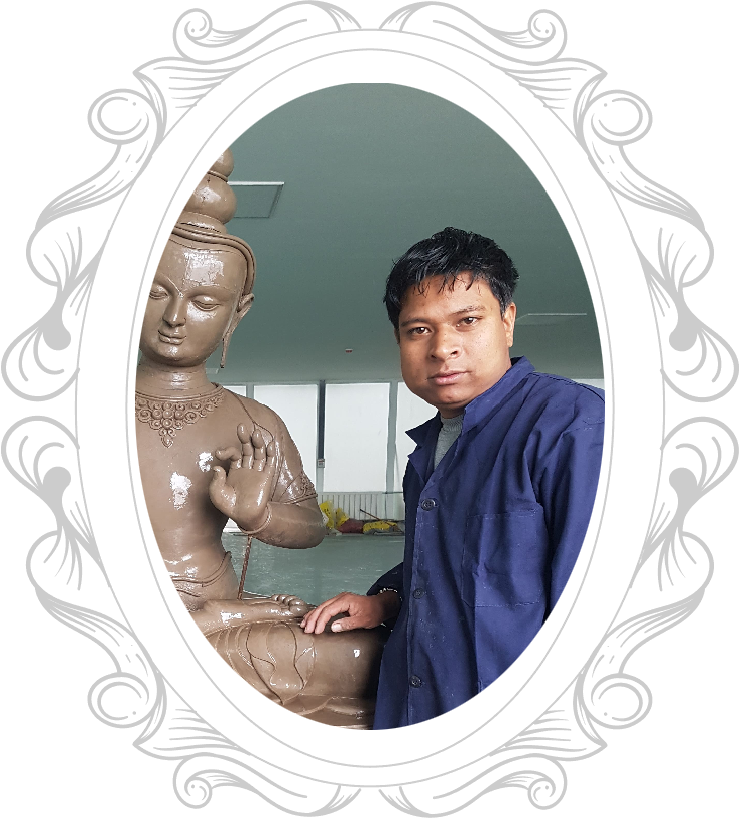
I’m Kedar Maka
Ceramic, Handmade Artist
Master Artist Kedar: Even the sculptures he creates speak
Bhaktapur | The headline might sound strange to you. You might even ask, “Can statues really speak?”
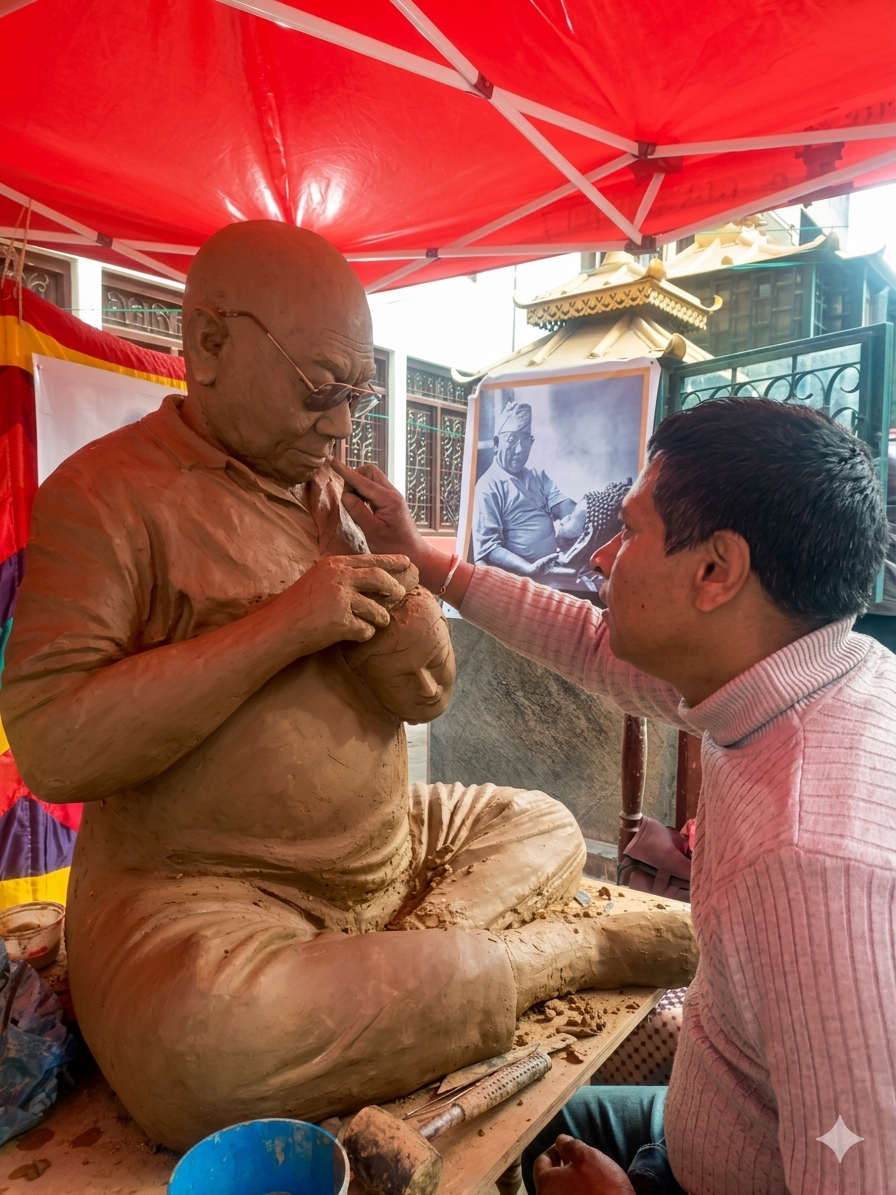
But Bhaktapur’s highly skilled sculptor, Kedar Maka, has compelled many of his statues to “speak.” Here, speaking does not mean producing sound. It means conveying emotion, allowing one to feel the inner spirit and connect deeply with the artwork.
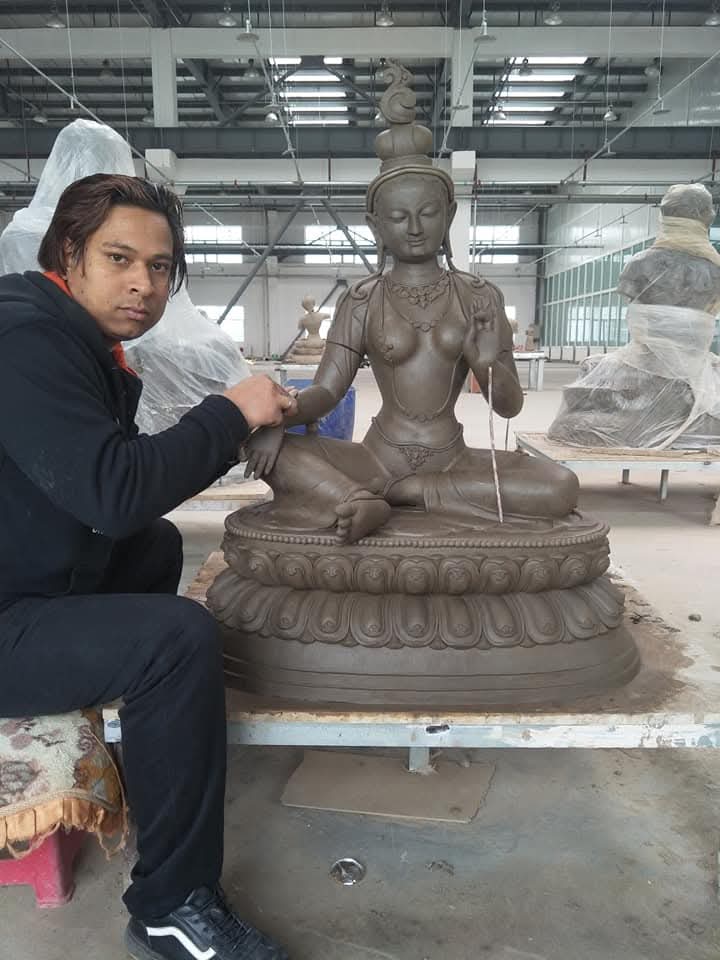
Kedar Maka, the operator of Grand Art Studio Nepal, has been fully dedicated to sculpture for more than 25 years. During this period, he has created numerous traditional sculptures in Nepal and China. He says that many of these statues have been forced to speak. When he is finishing a sculpture or statue, he often asks it directly, “How did it turn out? Have you achieved completeness?”
“At that moment, I have felt many times from the depths of my heart that the statue has responded — as if it moved its mouth or nodded its head. It feels like I’m in a dream. But when I realize it’s real, I experience heavenly joy. I feel immense happiness and satisfaction,” Kedar proudly shares.
He says he remains restless and continues refining the piece until the statue gives him a response. “I am also very stubborn. Until the statue answers my question, I work tirelessly and impatiently on its finishing. Only after the statue reacts do I stop.”
Looking at his artistry, anyone might think that God himself has gifted him this talent. Kedar does not deny it. Because without any formal training or prior knowledge, he began making sculptures from a very young age. Without training or guidance, he would look at figures, pictures, or photos in front of him and recreate them perfectly in clay. These “God-given” or naturally skilled hands have made him a successful sculptor today.
After completing school education, while working, he earned a Bachelor’s degree in Fine Arts from Lalit Kala Campus and continued up to the postgraduate level. Although he studied modern art in college, he specialized in traditional Nepali art. Born in 2039 BS (1982 AD), here is Kedar’s artistic journey, the importance of art, and other aspects in his own words:
‘I Immersed Myself in Sculpture Without Training and Knowledge’
From a very young age, I had a deep interest in drawing and art. I never took any formal training or classes in sculpture. I didn’t even have much knowledge about it. Yet, I kept drawing pictures and making sculptures. Even while studying in grades 9 and 10, whenever I had time, I would make statues.
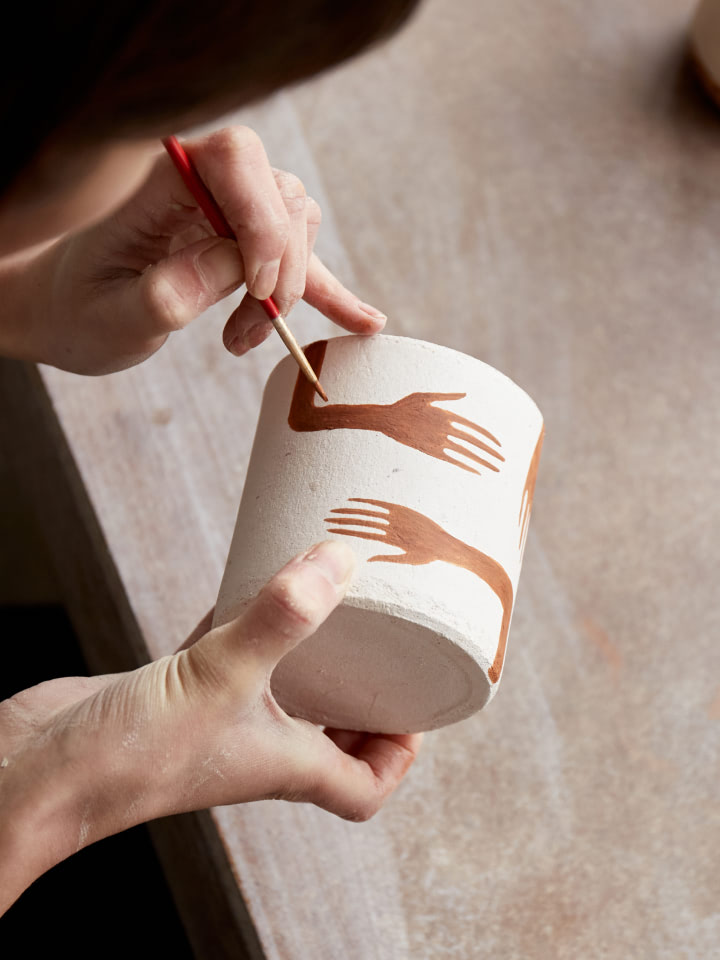
One day, while I was making a sculpture on the rooftop of my house, artist Pravin Karki, who had come to sit in front of my house, noticed my work. He came over, gave me a pot, and asked me to create any design I liked on it. At that time, he was running a clay art workshop with other artists. I filled the pot with my design and returned it. He was impressed by my skill.
After that, I brought clay from him and made a Ganesh statue — this marked the beginning of my artistic journey. Within 10–15 days, I made a Ganesh statue as best as I could and showed it to him. Seeing my work, he and Rajendra Yakami suggested I study art at Lalitkala Campus. I didn’t even know there was a college dedicated to art.
‘Then I Started Seeing a Future in Sculpture’
Before taking my School Leaving Certificate exam, my maternal uncle got me a job at a ceramic factory in Sallaghari, Bhaktapur. There, I was first asked to make a clay lion. I made the lion exactly like the sample. Seeing my ability, the manager, Mangal Bahadur Prajapati, offered me a salary of Rs. 1,200 per month. I was thrilled because other artists who had been working there for 3-4 years were getting only Rs. 700–800. That’s when I began to see a future in sculpture.
I worked there for about three months without taking any salary. Instead, I requested clay in place of salary. At that time, ceramic clay cost one rupee per kilogram. The factory owner tried to convince me to keep working there, but I explained I needed clay to practice and improve my skills at home. He couldn’t refuse. In one go, I took 3,500 kilograms of clay home.
‘I Filled the House with Statues’
By then, I had mastered the technique of making master molds. I had also figured out how to produce statues quickly using those molds. With the help of my younger brother who was in 8th grade, I made so many statues at home that there was no space left to walk.
Only after the house was filled with statues did my father begin to believe that his son could achieve something in art. He helped build a small kiln in the empty space next to the house.
The kiln was built, but I had no knowledge of proper firing. Even though it needed 600–800 degrees Celsius, I could only reach around 400 degrees. The statues wouldn’t bake properly and turned discolored. But this turned out to be beneficial for me. I learned how to make the discolored statues attractive by applying colors. This gave me the opportunity to develop skills in using and combining colors. I started painting them and sticking paper stickers so the statues wouldn’t go to waste.
I sold the statues I made at home to Mangal Bahadur Prajapati himself. After leaving the job, I would make around 60 statues per month and supply them to him. Once regular work started at home, we established our own factory- the beginning of a family business.
‘Even Though I Didn’t Attend College Regularly, I Excelled in Competitions’
Due to work, I couldn’t attend Lalit Kala Campus regularly. Still, I managed to study up to the postgraduate level. In the Bachelor’s level, I won first prize in an art competition and received a scholarship for the third year. I couldn’t complete the final two semesters of my Master’s level because I went to China for work. While the college taught modern art, I was drawn toward traditional art.
While studying at the certificate level, I was offered to provide art training. At the request of Cottage and Small Industries Office Bhaktapur and the Ceramics Cooperative in Madhyapur Thimi, I conducted a three-month sculpture training. I was only 18 years old then. I still remember the trainees teasing me, saying “A child trainer has come.” All the trainees were 35–36 years old — much older than me.
‘We Started Making Masterpieces in Clay Instead of Wax’
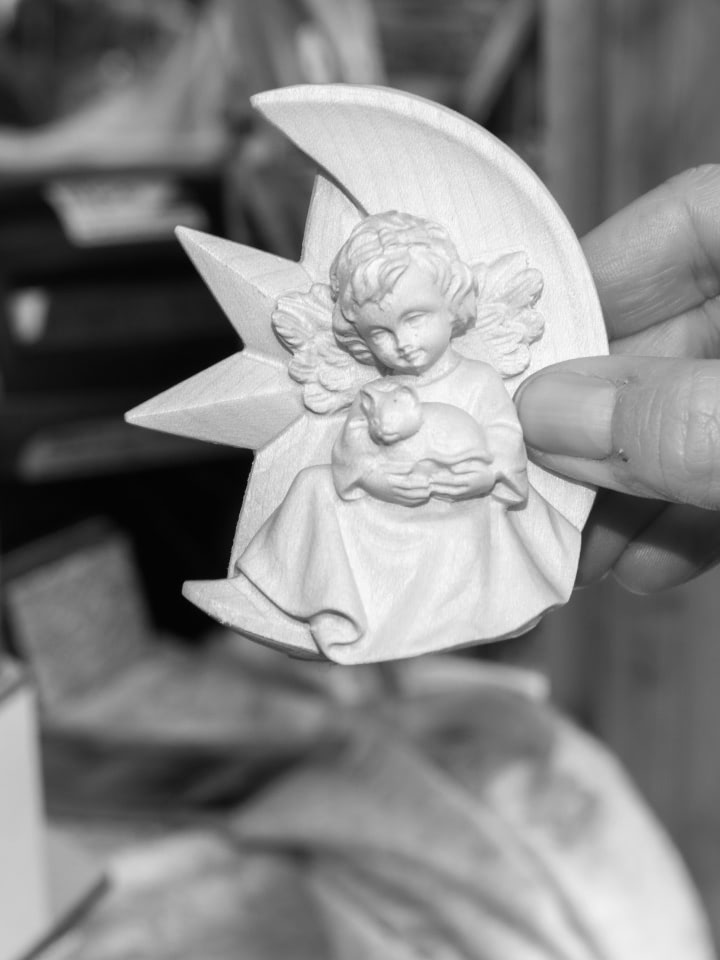
During that training, senior artists from Patan came looking for sculptors who could make clay master pieces. After the training, I went to Patan to work on clay master pieces. Traditionally, wax was used for master pieces in Patan, which took a long time. We successfully made clay master pieces faster than wax.
While working in Patan, I studied and experimented deeply with traditional sculpture and gained extensive knowledge. I continued to sharpen my skills in traditional art.
Meanwhile, my friend Mangal Prajapati, who was teaching ceramics at Shangrila International School, invited me to teach sculpture. Even though I said I didn’t have time, he insisted I teach even for 10–15 days. I couldn’t refuse and taught for about 15 days. Because I had been deeply involved in traditional sculpture in Patan, I realized I had gained significant skills and knowledge.
‘I Went All the Way to China for Sculpture Work’
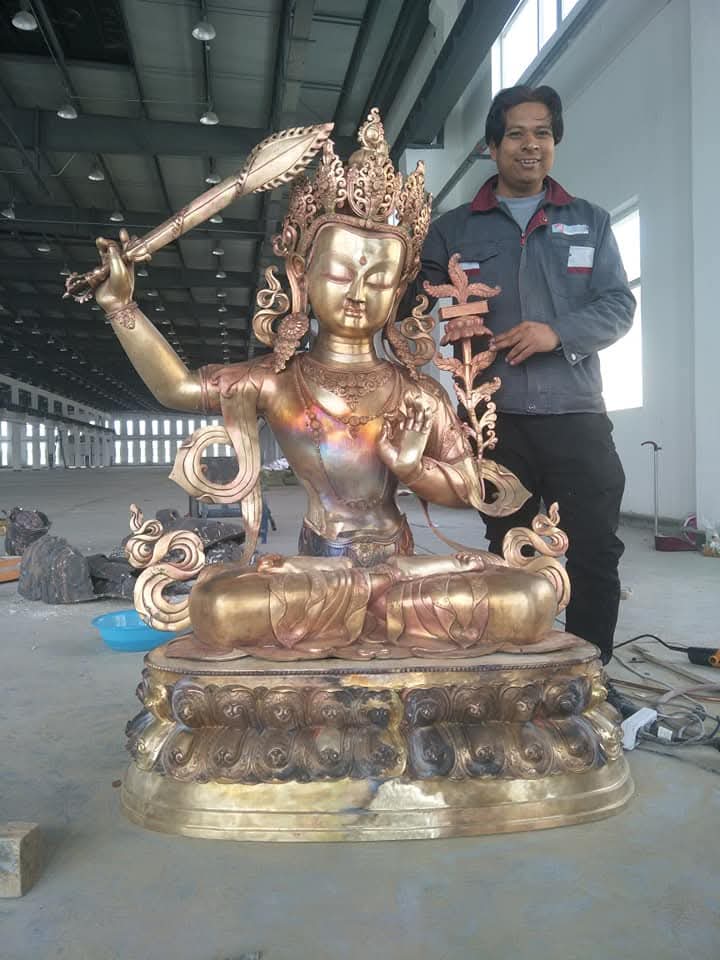
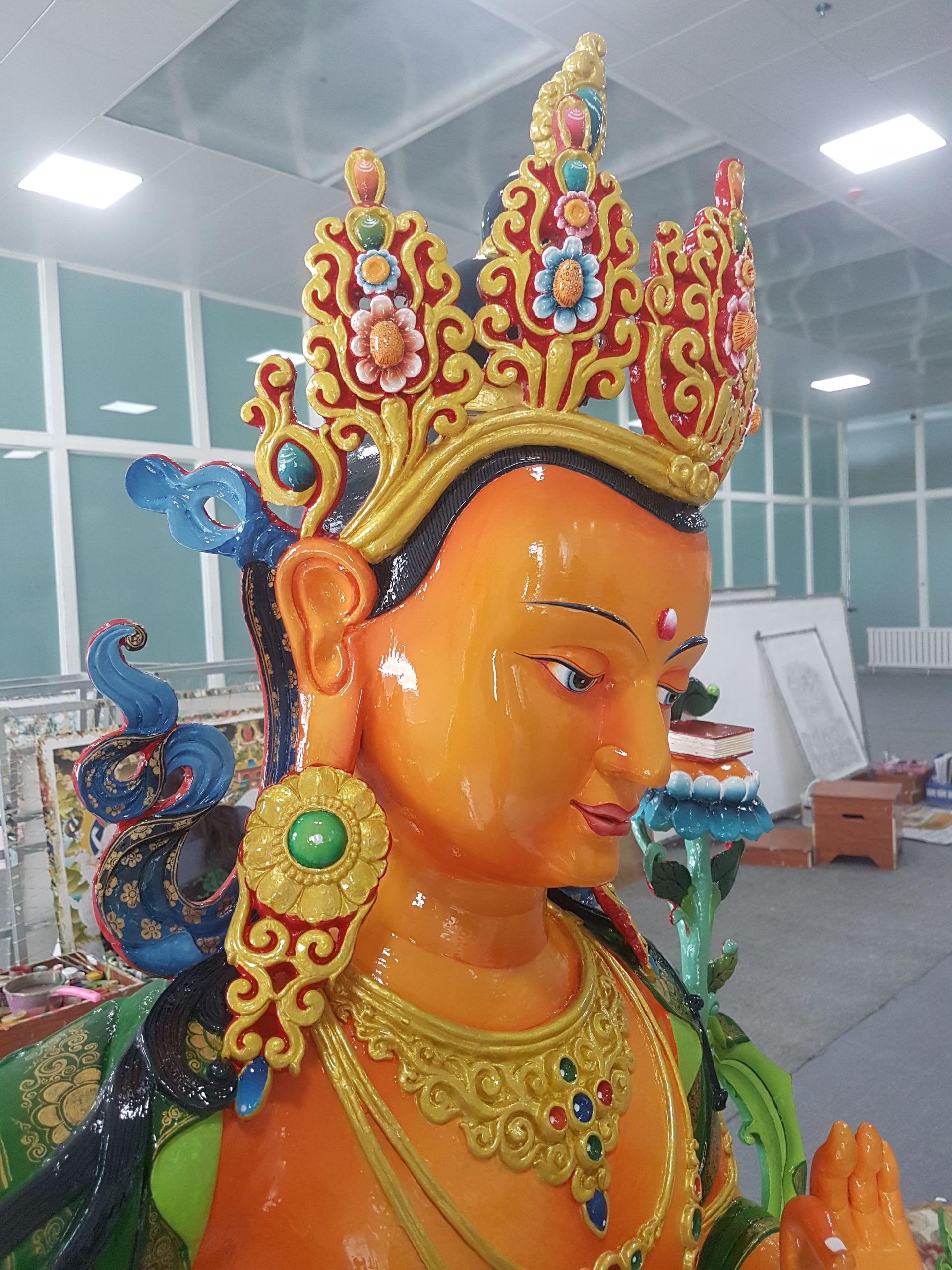
While working in Patan, the senior artists there sent me to China for a project. A 100-foot-high Buddhist stupa, similar to Boudhanath in Nepal, was being built there. I went to China with other Nepali artists to complete that stupa. We also designed a restaurant within the stupa complex and created 100 Newari-style windows for it.
During my four and a half years in China, I only returned home six times. The Chinese businessmen were so impressed with my work that they repeatedly requested me to stay and work there. Even now, they invite me to come to China. I tell them that since I have already invested in establishing an art center in Nepal, I cannot stay permanently, but I can come for a month if there is work.
When I asked the Chinese why they like Nepali art so much, they said that art made by Nepali artists is excellent — it is lively, unique, magical, captivating, and gives a special feeling.
‘I Plan to Create Large Statues to Show the Importance of Art’
However, in recent times, very few people understand the true essence of art. Many like art, but very few understand its soul. Instead of understanding the philosophy and depth of art, people have started comparing it with price. People are becoming more attracted to cheap art rather than living, meaningful, and soul-touching art.
When a large statue needs to be made in Nepal, the practice has been to call foreign artists. But there are capable and skilled Nepali artists here. Therefore, I plan to create a record-breaking statue to prove the capability, qualification, and expertise of Nepali artists to the government and concerned authorities.
Nepali artists have shown exemplary work abroad. Araniko earned great fame in China. Yet, I am not happy that Nepali artists are neglected in their own country.
‘I Ask the Statue Itself — Is it Done?’
It is not enough to just make a statue. It must show emotion, look alive, and express philosophy. While making statues of deities and human figures, sometimes I feel as if they are smiling. At that moment, I feel from my heart that the statue is now complete, and I stop working.
While creating art, I have a habit of asking whoever is nearby — or the statue itself if no one is around — “How is it? Is it complete?” Most of the time, I feel from the depths of my heart that the statue has nodded or moved its mouth in response. I have experienced such moments many times. These vibes give me heavenly joy, boundless happiness, and satisfaction.
I am stubborn too — until the statue gives me such a sign, I keep working on its finishing. Only after the statue responds do I stop. Once it reacts, I do not make any further changes.
‘I Aim to Open an Art Institute’
I am also teaching those who want to learn sculpture. I have a plan to establish an Art Institute for them, but I haven’t been able to work on a detailed plan yet. I continue to provide informal training and skill development. Due to my busy schedule, I haven’t been able to create a formal curriculum and start structured classes.
Kedar, who has invested around Rs. 40 lakh in his own art center, currently provides direct employment to 15 people. According to him, the annual turnover is around Rs. 25 lakh. He believes that since today’s art will become historical in the future and its value will increase, the state and concerned bodies should focus on the preservation and promotion of current art and artists.
Art cannot be measured by price. Art is priceless. However, he expresses dissatisfaction and anger over the increasing number of middlemen in the art sector.
“Due to middlemen, both artists and art lovers are being cheated. On one hand, the quality of art is declining, and on the other, art and artists are being defamed,” he adds. “By hiring cheap and low-quality artists through middlemen, the skills and capabilities of competent artists are being mocked.”
He strongly emphasizes that if society cannot honor art and artists, then no one has the right to devalue or defame them.
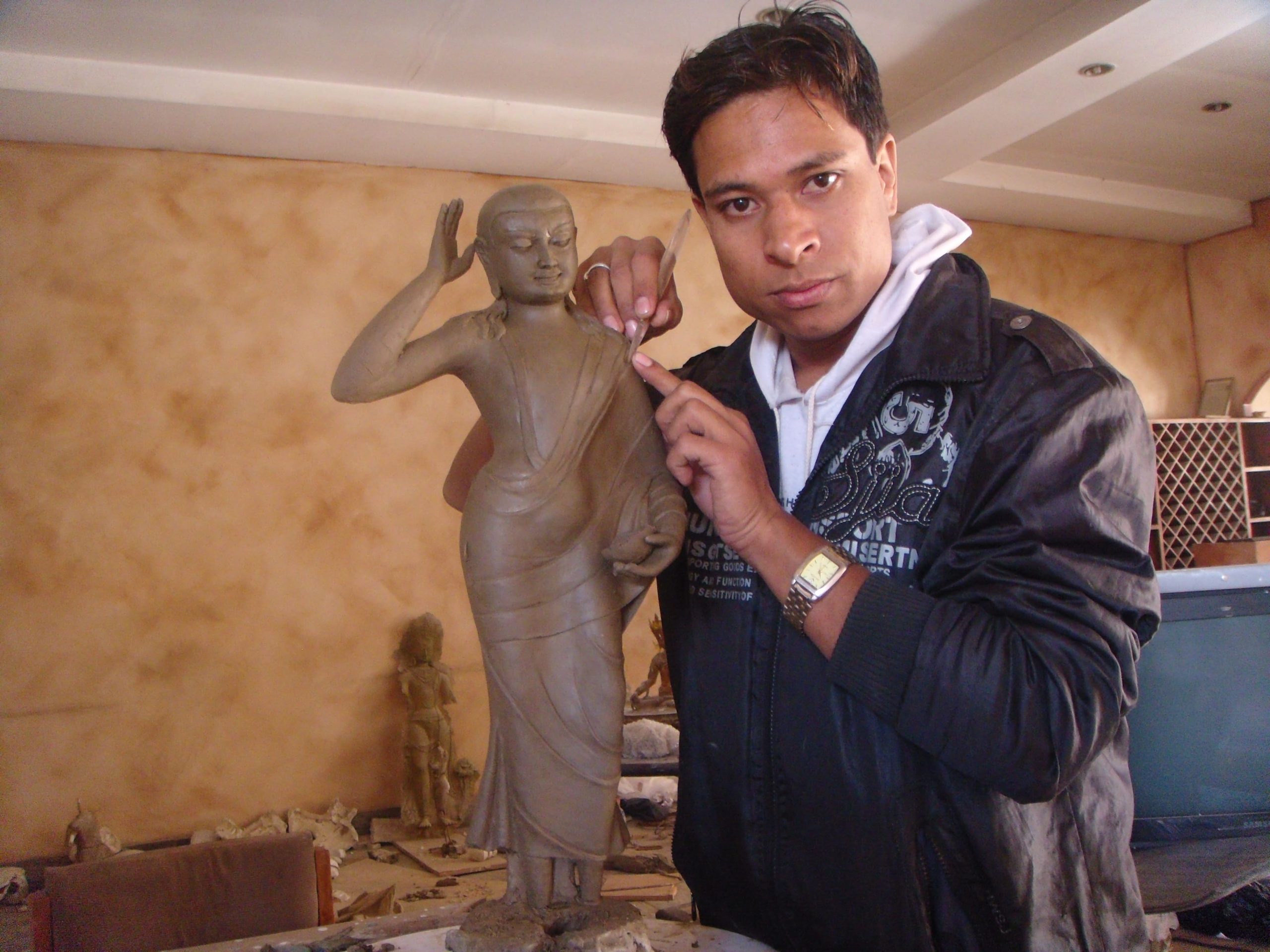
Little about me



My Works
Clients say
“This is an aesthetically beautiful theme. Documentation great. Support if you need it can be a little slow, but once you have it, they are really on point and provide outstanding service.Can't wait for the website to go live now!!”





Let’s talk
- +977 9841431117
- grandartstudionepal@gmail.com
Copyright 2026 © GRAND ART STUDIO NEPAL
“This is an aesthetically beautiful theme. Documentation great. Support if you need it can be a little slow, but once you have it, they are really on point and provide outstanding service.Can't wait for the website to go live now!!”